How to Properly Document a Car Accident Scene for Maximum Claim Value

Want to get the biggest injury settlement possible after a crash?
The majority of drivers have no clue how to react after an accident. They walk away forgetting evidence, lose witness information and are left with a worthless claim that insurance companies gladly lowball.
Here’s the truth…
How you document the scene in the first 30 minutes will make or break your injury settlement.
Learn exactly how to document your car accident scene in this guide to maximizing your claim value.
What you’ll discover:
- Why Proper Documentation Affects Your Injury Settlement
- The Photos and Video You Must Take
- How to Collect Witness Information the Right Way
- Why the Police Report is Critical
- Medical Documentation That Protects Your Claim
- Big Mistakes That Wreck Injury Settlements
Why Proper Documentation Affects Your Injury Settlement
Documenting a car accident scene properly is the foundation of every successful injury settlement.
Because: Evidence. Insurance adjusters want evidence. You’re not going to be given a fair settlement because you said so. The more evidence you provide, the less they can fight, stall, or offer you low-ball payments.
Driving around without adequate insurance could actually cost you BIG if you’re involved in an accident. The average third-party bodily injury claim payout increased by 8% in 2024, with the average injured party claiming $27,373. Those are big numbers – and folks with rock-solid evidence are walking away with the biggest paydays.
Any good car accident lawyer NY will explain to you that your injury settlement is only as good as your paperwork. Photos, witness testimonies, police reports and medical records combine to establish liability and just how much your damages are really worth.
If you fail to provide proper documentation you’re basically asking the insurance company to take your word for it. Oh and… spoiler alert…
They won’t.
The Photos and Video You Must Take
Pictures are the most powerful evidence you can gather at a car accident scene.
Grab your phone and start snapping photos now. Document whatever you can safely. Take as many angles, pictures in different lighting, etc.
Here’s what to photograph:
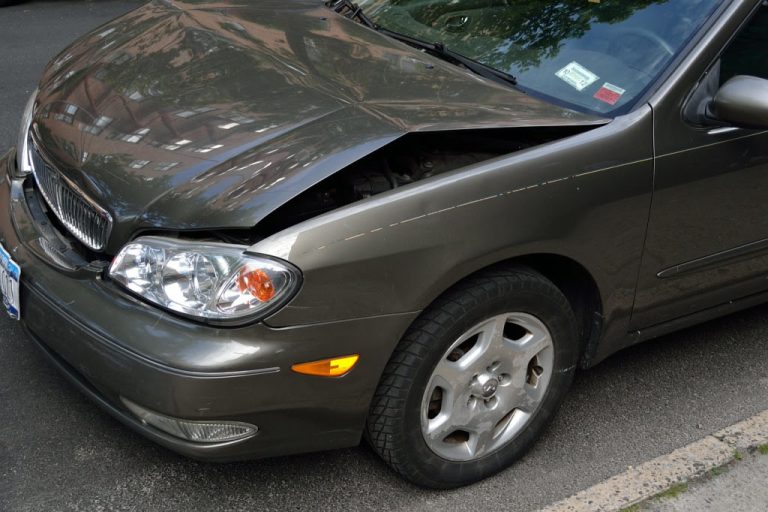
- Damage to all vehicles involved (close-up and wide shots)
- The position of vehicles on the road
- Skid marks, debris, and broken glass
- Traffic signals, signs, and road conditions
- Weather conditions and visibility
- Your own injuries (cuts, bruises, swelling)
- License plates of every vehicle involved
- The other driver’s insurance card and license
If you have a dashcam, record your footage. Dashcam videos have won more legal battles than any other form of evidence.
Little-known hack: walk-and-record a video around the whole scene. It includes info photos don’t show individually: was the intersection crowded? Where did each car end up?
The goal is to capture everything before vehicles get moved or evidence disappears.
How to Collect Witness Information the Right Way
Witnesses can make or break your injury settlement.
Independent third parties have nothing to lose or gain. This makes their statements highly valuable to insurance adjusters and courts. However….
Witnesses disappear fast.
When they pull away, they may never come back. So you need to attract their:
- Full name
- Phone number
- Email address
- A brief description of what they saw
Ask. Don’t be afraid to just approach them, tell them you need their assistance, and politely ask. Most will help you if you just ask.
Better yet? Take a voice memo or video of them describing what they witnessed. Memories can fade quickly so recording their statement right after will be priceless.
Why the Police Report is Critical
Always call the police after an accident. Always.
A police report documents the accident officially by stating the date, time, location, parties involved, witness statements and police officer observations. This report holds HUGE credibility with insurance companies.
Based on crash data from recent years, 42% of fatal crash victims were considered “alive at scene.” Think about how important that immediate time frame is for gathering documentation.
When officers arrive on scene:
- Tell them what happened factually (no guessing or admitting fault)
- Make sure your version of events is included in the report
- Ask for the report number before they leave
- Get the responding officer’s name and badge number
Never forego the police report just because you think the damage is small. Injuries can take hours or days to manifest themselves after an accident – and without a police report it’s much more difficult to prove your injury claim.
Medical Documentation That Protects Your Claim
Get medical attention right away — even if you feel fine.
Adrenaline hides pain. You can walk away from an accident feeling fine, but wake up the next day with severe neck pain, headaches, or much worse. Insurance companies LOVE it when you don’t seek medical treatment immediately. They use any delay against you to LOWER YOUR INJURY SETTLEMENT.
Rule: The longer you wait to see a doctor the harder it is to prove your injuries were not caused by the accident. The insurance company will fight you tooth and nail.
Make sure you:
- See a doctor within 24-48 hours of the crash
- Keep every receipt and medical bill
- Save discharge paperwork and prescriptions
- Follow your doctor’s treatment plan exactly
- Keep a personal pain journal each day
It creates a paper trail directly linking your injuries to the crash. Helps ensure you maximize injury settlements.
Big Mistakes That Wreck Injury Settlements
Now to the things you absolutely should NOT do.
Superb documentation won’t save you if you make these rookie errors at the scene:
- Saying sorry or admitting guilt – even apologizing
- Talking to the other driver’s insurance – they will record you and use it against you
- Posting on social media — insurance investigators check this stuff constantly
- Accepting a quick settlement offer — early offers are almost always lowball numbers
- Missing medical appointments — gaps in treatment hurt your claim badly
Watch what you say at the scene. Give statements of fact, exchange information, let the facts come out.
Pulling It All Together
How well you photograph the scene determines how strong your injury claim will be.
To quickly recap:
- Take tons of photos and video from every angle
- Get witness contact information fast
- Always call the police and grab the report number
- See a doctor immediately, even if you feel fine
- Avoid admitting fault or talking to the other insurance
The Golden Half Hour. Those first thirty minutes after an accident are the most important ones. Spend them wisely and you position yourself to get the highest value for your claim.
Stay safe out there!