PPF Installation in Vaughan: Let Trusted Experts Protect Your Car

Protecting your car’s paint is about more than keeping it glossy. The right protection helps preserve the finish, reduce visible wear, and maintain long-term value.
With several options available, including wax, sealants, ceramic coatings, and paint protection film, it is important to understand what each one actually does and where it works best. This guide compares the main types of paint protection and explains how they perform in real-world driving conditions.
It also covers simple maintenance habits that help extend the life of your finish. Whether you drive daily, park outdoors, or want stronger defense against road damage, choosing the right system starts with knowing the strengths and limits of each option.
Choosing the Right Paint Protection
Car paint protection is not one-size-fits-all. Driving habits, weather exposure, parking conditions, and budget all affect which option makes the most sense. The best choice usually balances durability, appearance, maintenance needs, and cost.
Also Read: 911 Operator Simmons Siblings Car Accident
Wax vs. Sealant vs. Ceramic Coating
Traditional wax remains a popular option for drivers who want a rich shine and a simple way to refresh the finish. It can enhance gloss well, but it does not last very long and usually needs regular reapplication.
Paint sealants generally last longer than wax and offer more consistent protection against water, dirt, and light environmental exposure. They are often a practical middle-ground option for owners who want more durability without moving to a professional coating.
Ceramic coatings sit higher on the protection scale.
These coatings bond to the surface and create a slick, more durable layer that helps resist contamination from bird droppings, bug splatter, tree sap, and UV exposure. They also make regular washing easier because dirt and water do not cling to the paint as easily.
For drivers who want stronger defense against chips and surface damage, paint protection film offers something coatings cannot. ID Protection provides paint protection services that focus on preserving the original finish with solutions designed for real-world daily use.
In that sense, PPF is not just about gloss. It is about adding a physical barrier where the paint needs the most help.
The Right Time To Add Paint Protection Film
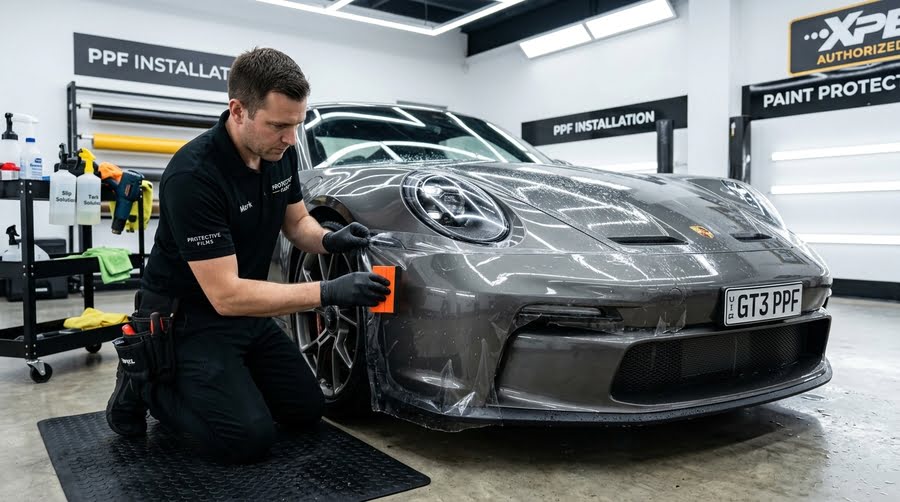
Paint protection film, or PPF, is the strongest option when the main concern is physical damage. Unlike wax, sealants, or ceramic coatings, PPF helps absorb minor impacts from road debris before they reach the paint.
PPF is often worth considering if you:
- Drive frequently on highways or roads with loose debris
- Park outdoors for long periods
- Want to protect vulnerable areas such as the front bumper, hood, mirrors, and fenders
- Plan to keep the vehicle for years
- Want to reduce visible wear that can affect resale appeal
Many owners choose to apply PPF only to the highest-impact areas rather than covering the full vehicle. That targeted approach can provide strong protection without the cost of a full-body wrap.
Protection Duration Comparison
The lifespan of paint protection depends on the product, how well it is applied, and how the vehicle is maintained.
Wax is the shortest-term option and needs regular renewal to remain effective. Sealants usually last longer and offer a better maintenance-to-protection ratio for many daily drivers.
Ceramic coatings can provide multi-year performance when professionally applied and properly cared for. PPF is typically the longest-lasting solution, especially when premium film is installed correctly and maintained well over time.
Good surface preparation matters with every option. Clean, decontaminated paint gives protective products a better base to bond to, which can improve both appearance and lifespan.
Best Car Paint Protection For Daily Drivers
For many daily drivers, the best approach is a combination of protection methods rather than relying on one product alone.
If the biggest threat is road debris, front-end PPF often makes the most sense. If the vehicle spends more time parked outdoors, ceramic coating can help reduce staining, UV exposure, and cleanup effort. Some owners combine PPF on the most exposed panels with ceramic coating over the rest of the vehicle for broader coverage and easier maintenance.
What works best depends on how the car is used. A commuter vehicle that sees highway miles has different needs than a weekend car kept mostly indoors. Matching the protection system to the actual driving routine usually leads to better value over time.
Everyday Habits That Keep Paint Looking New
Even the best paint protection benefits from good daily habits. Small maintenance choices can make a major difference in how the finish looks over time.
Avoid Dry Wiping Dust
Wiping dust off a dry surface can cause fine scratches and swirl marks. Dust particles may look harmless, but dragging them across the paint without lubrication can damage the finish.
It is safer to use a quick detailer spray and a clean microfiber towel when removing light surface dust. That added lubrication reduces friction and lowers the risk of scratching. Straight-line wiping is generally better than circular motions for minimizing visible marks.
Remove Bird Droppings Quickly
Bird droppings should be cleaned off as soon as possible. If left in place, they can stain or damage the surface, especially in warm conditions.
Keeping a small cleaning kit in the car can help. A soft microfiber towel and a safe cleaning spray make it easier to deal with contaminants before they become harder to remove. When the residue has dried, it is better to soften it first rather than scrubbing aggressively.
Make Smarter Parking Choices
Where you park affects your paint more than many drivers realize. Tight parking spots increase the risk of door dings, while certain outdoor areas expose the vehicle to sap, droppings, and other contaminants.
Whenever possible, it helps to choose spaces with a little extra room and avoid parking under trees for long periods. Covered or shaded parking can also reduce extended sun exposure and help keep the surface in better condition.
Use Quick Detailer Sprays Between Washes
Quick detailer sprays are useful between full washes for light cleanup. They help remove fingerprints, smudges, and light dust safely when used with a clean microfiber towel.
These products work best on cool surfaces out of direct sunlight. Using fresh towel sides often and avoiding heavy pressure can help reduce the chance of marking the paint.
Stay Consistent During Harsh Weather
Seasonal weather can be tough on a vehicle’s finish. Road grime, moisture, and other contaminants build up faster during rough conditions, so regular rinsing and gentle cleaning become even more important.
A consistent maintenance routine helps protective products last longer and keeps the paint looking better through changing conditions. Even simple habits, repeated regularly, can make a visible difference over time.
Check Out: Make1m Porsche 992 GT3 RS
Conclusion
The right paint protection depends on how a vehicle is driven, where it is parked, and what kind of wear it faces most often. Wax offers short-term shine, sealants provide longer-lasting basic coverage, ceramic coatings improve resistance to contamination, and PPF delivers the strongest defense against physical damage.
Many drivers get the best results by combining protection methods and supporting them with good day-to-day care. Simple habits such as safe dust removal, quick cleanup of contaminants, and better parking choices all help preserve the finish.
Over time, that consistent approach can keep the vehicle looking better and help protect its long-term value.