Top Upgrades for Customizing Your Personal Vehicles

Core Philosophies and Categorizations of Custom Vehicle Upgrades
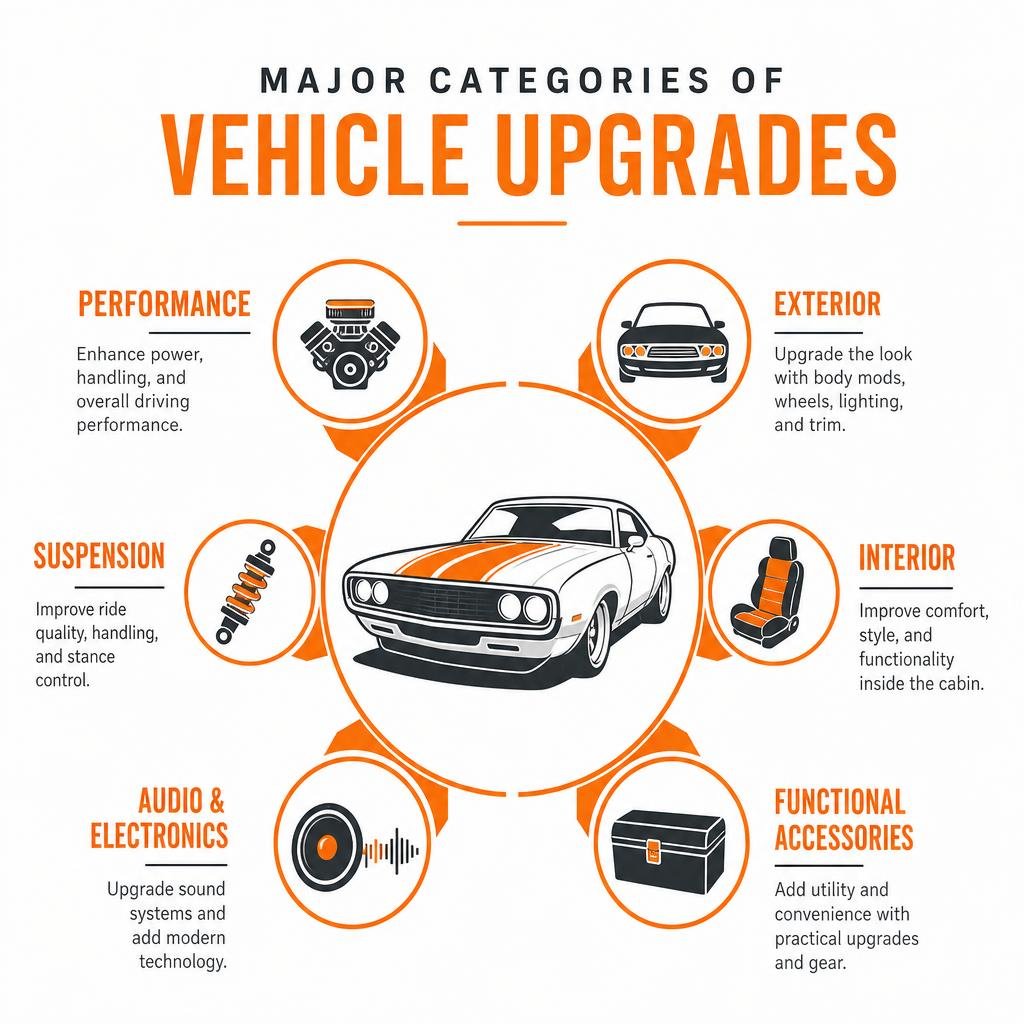
The journey into custom vehicle upgrades often begins with a vision – a desire to imbue a machine with personality, enhance its capabilities, or both. But customization isn’t merely about bolting on parts; it’s an art form guided by core philosophies that dictate the final aesthetic and functional harmony of the vehicle. Whether aiming for subtle elegance or a bold statement, understanding these underlying principles helps us appreciate the diverse world of automotive aesthetics and modification categories. From preserving classic lines to pushing the boundaries of modern design, every decision contributes to the vehicle’s unique identity.
Subtractive vs. Additive Customization Strategies
At the heart of custom car building lie two fundamental approaches: subtractive and additive customization. The subtractive approach focuses on streamlining and simplifying a vehicle’s lines by removing extraneous elements. This can involve “shaving” trim, emblems, door handles, and even drip rails to create a cleaner, smoother surface. A classic example is “frenching” – recessing headlights or taillights into the bodywork, often by welding the trim ring directly to the body metal, creating a seamless, integrated look. This method often aims to achieve a more elegant or aggressive silhouette by reducing visual clutter.
Conversely, the additive approach is all about personalization through the addition of accessories, custom paintwork, scoops, or unique trim pieces. This strategy allows for a wider range of expression, from bolt-on performance parts to elaborate aesthetic enhancements. Many builders strategically blend both methods, using subtractive techniques to refine the base while adding distinct elements to personalize.
Beyond these, more intensive body modifications fall into the subtractive category, requiring significant metalwork. “Top chopping” involves lowering the roofline by removing a section of the pillars, drastically altering the car’s profile. “Body channeling” entails raising the floor of the vehicle, effectively dropping the body down over the frame to achieve a lower stance without altering the suspension geometry. “Panel sectioning” removes a horizontal strip from the body, reducing its overall height and creating a leaner appearance. These techniques, often seen in traditional custom builds, demand a keen eye for proportion and advanced metalworking skills to ensure a cohesive and visually striking result.
Regional Aesthetics and Historical Custom Styles
The rich tapestry of custom car culture is woven with threads from diverse regions and historical periods, each contributing unique styles and philosophies. The origins of custom cars can be traced back to post-World War II America, where returning soldiers, often with technical training, began modifying surplus vehicles. Early “gow jobs” quickly evolved into hot rods in the 1940s and 1950s, characterized by stripped-down bodies, powerful engines, and often a raked stance. These were initially built for speed on dry lake beds and, later, drag strips, with the first American drag strip opening in 1950.
As the culture matured, specific geographic regions fostered distinct styles:
- Lowriders and Kustoms: Predominantly emerging from Hispanic communities in the Southwest, lowriders are defined by their incredibly low stance, intricate hydraulic or air suspension systems that allow them to “dance,” and elaborate paintwork often featuring candy colors and metalflake finishes. Kustoms of the 1950s and ’60s, often associated with California, focused on extensive body modifications like chopping, channeling, and sectioning, creating smooth, flowing lines and often utilizing lead filler to perfect the bodywork.
- Restomods: A modern evolution, restomods combine the classic aesthetics of vintage vehicles with contemporary technology. This means a classic car exterior might hide a modern engine, updated suspension, advanced braking systems, and integrated multimedia, offering the best of both worlds – nostalgic looks with modern comfort and performance.
- JDM Styles: The Japanese Domestic Market (JDM) has birthed several influential styles. Kaido Racers (often seen as a Japanese take on hot rods) feature exaggerated aerodynamic elements, wide fender flares, and vibrant liveries, drawing inspiration from endurance racing. VIP style focuses on luxury sedans, typically with extreme lowering, large-diameter wheels with aggressive offset, and plush, often customized, interiors.
- Houston Slabs: A distinctive subculture from Houston, Texas, Slab cars are typically American luxury sedans featuring custom paint, often candy colors, and unique “swangas” – extended wire wheels that protrude significantly from the fenders. They also famously incorporate “pop-trunks” that display elaborate sound systems or custom artwork.
- Siren Kings: A fascinating subculture in New Zealand, Siren Kings involve vehicles and bicycles fitted with high-output loudspeakers used in competitive sound battles, showcasing a unique blend of automotive and audio customization.
These regional and historical influences demonstrate that custom vehicle upgrades are not just about individual taste but are deeply rooted in cultural expression and community identity.
Powertrain, Suspension, and Handling Enhancements
Moving beyond aesthetics, a significant realm of custom vehicle upgrades focuses on enhancing performance, improving mechanical reliability, and refining chassis dynamics. For many enthusiasts, the true heart of customization lies in transforming how a vehicle drives, from its power delivery to its cornering prowess. These modifications often require meticulous engineering and a deep understanding of automotive systems to ensure both exhilaration and safety.
Performance Tuning, Engine Swaps, and Forced Induction
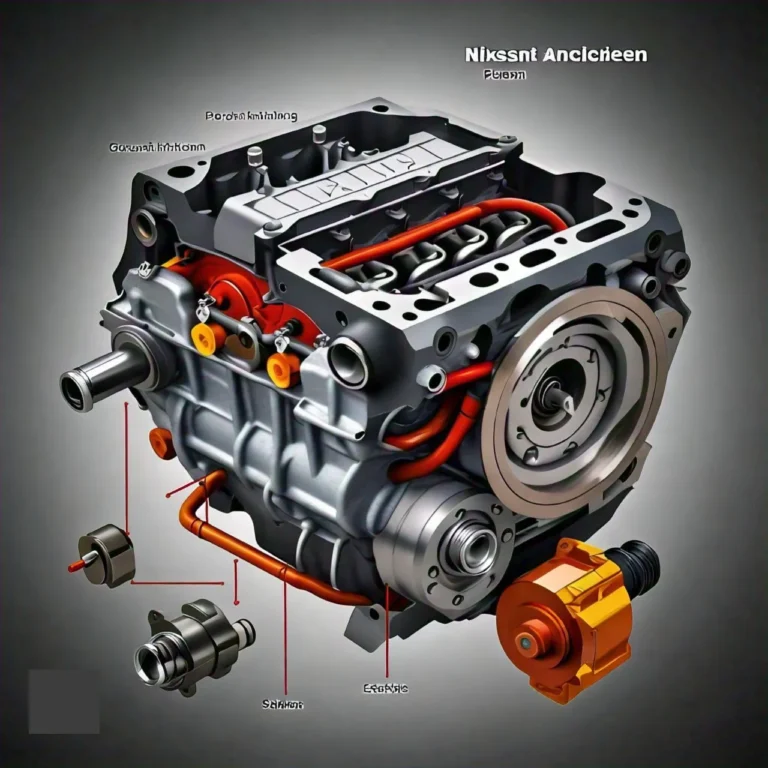
The pursuit of greater power and responsiveness is a primary driver for many custom builds. Engine swaps are a popular route, replacing the factory engine with a more powerful or desirable unit. While complex, pre-made adapter kits can simplify mounting and transmission connections, making these ambitious projects more feasible.
For those looking to significantly boost their existing engine’s output, forced induction is a common choice. Twin-screw superchargers and twin turbochargers compress air entering the engine, dramatically increasing horsepower and torque. For instance, a supercharged Chevrolet Silverado ZR2 package can boost output by 66%, from a stock 420 bhp to 700 bhp, and increase torque from 460 lb-ft to 611 lb-ft. However, such significant power increases necessitate careful ECU calibration to optimize fuel delivery, ignition timing, and boost pressure for reliability and performance. Advanced systems like Boost-By-Wire can even regulate supercharger boost based on accelerator pedal input, preventing the “on/off” power delivery sometimes associated with positive displacement superchargers and making high-horsepower vehicles more drivable in daily situations. It’s crucial to ensure all engine modifications comply with emissions standards to avoid legal issues and maintain environmental responsibility.
Suspension Dynamics, Stance, and Wheel Geometry
The way a vehicle sits and handles is fundamentally determined by its suspension system. Customizing suspension can drastically alter a vehicle’s stance, ride quality, and performance characteristics.
For a lower, more aggressive look and improved on-road handling, options include lowering springs, dropped spindles, or full air ride suspension systems. Air ride allows for adjustable ride height, offering both a show-stopping low stance and practical ground clearance for driving. Conversely, lift kits are essential for off-road vehicles, increasing ground clearance and allowing for larger tires.
Crucial to both aesthetics and safety is wheel fitment and offset. Proper calculations are vital to prevent rubbing against fenders or suspension components, especially when installing wider wheels or tires. When upgrading to significantly larger tires, particularly on trucks, axle re-gearing becomes necessary to compensate for the increased tire circumference. This restores the vehicle’s original acceleration and towing capabilities, which would otherwise be negatively impacted. Expert mounting, balancing, and alignment are non-negotiable for any aftermarket wheel and tire setup to ensure smooth ride comfort, maximum traction, and safe vehicle performance.
Specialized Applications: Heavy-Duty Trucks and Golf Carts
The world of custom vehicle upgrades extends far beyond passenger cars, embracing specialized applications like heavy-duty trucks and even golf carts. Heavy-duty diesel conversions, such as those seen in the MegaRexx builds, transform Ford Super Duty trucks into formidable off-road machines. These conversions often involve fitting massive 46-inch tires, which necessitates axle re-gearing (e.g., to a 4.88:1 ratio) to maintain acceleration and towing capacity. To accommodate such large tires without an excessively high center of gravity, builders may utilize wide-body fiberglass panels and a modest 4.5-inch suspension lift, combined with military-grade MRAP wheels. This approach prioritizes increasing tire diameter to raise differential clearance, enhancing terrain capability while maintaining stability.
Beyond the road, utility vehicles like golf carts are also prime candidates for customization. Whether for increased speed, improved off-road capability, or enhanced aesthetics, a wide array of golf cart performance upgrades are available. These can include lift kits, custom wheels and tires, upgraded motors, controllers, and even specialized audio systems, transforming a simple utility vehicle into a personalized ride for recreation or work. For those interested in exploring these possibilities, industry specialists offer a comprehensive look at available enhancements.
Exterior Finishes, Aerodynamics, and Surface Protection
The visual impact of a custom vehicle is often defined by its exterior. From the deep luster of its paintwork to the aggressive lines of its aerodynamic components, these elements contribute significantly to the overall aesthetic and protection of the vehicle. Achieving a flawless finish and integrating purposeful body modifications requires specialized techniques and high-quality materials.

Custom Finishes, Protective Coatings, and Paint Application
Custom paintwork is a hallmark of many personalized vehicles, transforming a standard factory color into a unique statement. Techniques like candy paint layers involve applying translucent colored coats over a metallic base, creating an incredible depth and vibrant hue that changes with the light. Metalflake finishes embed tiny metallic flakes into the paint, giving it a sparkling, almost three-dimensional effect. Achieving these high-depth visual finishes requires multiple layers and meticulous application.
Beyond aesthetics, modern technology offers advanced solutions for surface protection. Paint Protection Film (PPF), a transparent urethane film, acts as an invisible shield against rock chips, scratches, and environmental contaminants. Ceramic coatings provide a durable, hydrophobic layer that enhances gloss, makes cleaning easier, and offers UV protection, preventing paint oxidation. For optimal results with ceramic coatings, a full paint correction (removing swirl marks and imperfections) is essential beforehand to lock in a pristine shine. The longevity and visual appeal of any custom paint job or protective coating depend heavily on the quality of the materials used and the expertise of the application. Investing in high-quality automotive paint and professional application ensures a durable, stunning finish that truly stands out.
Aerodynamic Kits, Carbon Fiber, and Body Conversions
For vehicles focused on performance or an aggressive aesthetic, aerodynamic kits play a crucial role. These “aero packages” can include front splitters, side skirts, rear diffusers, and spoilers, all designed to manage airflow around the vehicle, reduce lift, and improve stability at speed. Beyond function, they contribute significantly to a vehicle’s visual presence.
Carbon fiber has become a highly sought-after material in custom car building due to its exceptional strength-to-weight ratio and distinctive weave pattern. Components like carbon fiber hoods and vented fenders not only reduce vehicle weight but also add a high-performance, exotic look. Dry pre-preg carbon fiber, cured in an autoclave, is particularly prized for being lighter and stiffer than traditional wet-laid carbon fiber.
For those seeking a complete transformation, full body conversions can dramatically alter a vehicle’s appearance. For example, a kit can convert a standard 2024-2026 Ford Mustang front end to match the aggressive styling of the high-performance GTD model, including a GTD front bumper, vented fenders, and a carbon hood. Such conversions require precise OEM mounting alignment to ensure seamless integration and a factory-like fit, avoiding the “aftermarket” look and instead appearing intentional and cohesive.
Interior Electronics, Audio Systems, and Cabin Comfort
While exterior modifications often capture immediate attention, the interior of a custom vehicle is where the driver and passengers spend their time. Enhancing the interior electronics, upgrading the audio systems, and improving cabin comfort can profoundly transform the driving environment, making every journey more enjoyable, connected, and luxurious. These upgrades range from subtle technological integrations to comprehensive overhauls of the entire cabin.
Audio System Engineering and Acoustic Upgrades
A truly immersive driving experience often hinges on a superior sound system. Audio system engineering in custom vehicles goes far beyond simply replacing speakers; it involves creating an acoustically optimized environment. This includes selecting high-quality head units (often with Apple CarPlay or Android Auto integration), powerful amplifiers, and precisely placed loudspeaker arrays. Digital signal processing (DSP) units are frequently employed to fine-tune the audio output, correcting for cabin acoustics and ensuring crystal-clear sound reproduction.

Professional amplifier installation and meticulous wiring are critical not only for optimal sound quality but also for safety and longevity, preventing electrical issues and ensuring a clean, factory-like finish with concealed electrical wiring. The principles of high-fidelity audio aren’t limited to cars; enthusiasts of two-wheeled vehicles also seek enhanced sound experiences. For those looking to upgrade their ride with robust sound, exploring premium motorcycle audio systems can provide excellent options for clear, powerful sound on the open road.
Interior Electronics and Technology Custom Vehicle Upgrades
Modern vehicles are increasingly defined by their technological capabilities, and custom upgrades can bring even older models up to contemporary standards. Seamless Apple CarPlay and Android Auto integration allows drivers to safely access navigation, music, and communication apps through the vehicle’s infotainment screen. For enhanced safety and security, HD dash cameras (often with front and rear recording capabilities) provide crucial documentation in case of accidents or theft.
Convenience features like remote start systems add comfort, especially in extreme weather, allowing the vehicle to warm up or cool down before entry. For year-round comfort, heated seat retrofits can be installed in vehicles that didn’t originally come with them. A significant aesthetic and comfort upgrade is the installation of leather upholstery upgrades, which can completely transform the look and feel of a cabin, offering a luxurious touch that often outshines factory cloth options. As with audio systems, all electrical system upgrades require professional installation to ensure proper functionality, prevent electrical shorts, and maintain the vehicle’s overall integrity.
Strategic Planning, Longevity, and Financial Return
Embarking on custom vehicle upgrades is an exciting endeavor, but it also warrants strategic planning, especially when considering the long-term implications for vehicle return on investment (ROI) and overall longevity. Thoughtful aftermarket planning can ensure that modifications enhance rather than detract from the vehicle’s value, and that they contribute positively to the long-term ownership experience.
Evaluating Resale ROI on Custom Vehicle Upgrades
Not all upgrades are created equal when it comes to influencing resale value marketability. While personal expression is paramount for many, those considering future sale should be mindful of what the broader market desires.
Here’s a general comparison of high-ROI versus value-decreasing modifications:

High-return upgrades tend to be those that enhance comfort, technology, or utility in a broadly appealing way. These include leather upholstery retrofits, modern LED lighting upgrades, high-quality audio system integration (especially if reversible to stock), factory-spec alloy wheels, and protective measures like ceramic coatings or Paint Protection Film. These modifications often make a vehicle more desirable to a wider range of buyers and can justify a higher asking price.
Conversely, common modification mistakes that can decrease resale value include overly aggressive or specialized changes. These might be oversized rims that negatively impact ride quality, poorly executed suspension modifications that compromise handling or safety, excessively dark window tints that may be illegal in some areas, large spoilers that don’t suit the vehicle, or non-standard paint colors or wraps that appeal to a very niche market. The key is to avoid over-customization that alienates potential buyers who prefer a more stock or universally appealing look. Retaining original OEM parts when making upgrades can also be beneficial, allowing a future owner to revert the vehicle to stock if desired.
Professional Installation, Longevity, and Upgrading vs. Buying New
The quality of installation is as crucial as the quality of the parts themselves. Certified installation by experienced professionals ensures that upgrades are fitted correctly, safely, and durably. This is particularly important for complex systems like engine modifications, suspension components, and electrical systems. Professional installers also typically offer warranties on their labor, adding another layer of assurance.
A common concern among vehicle owners is whether aftermarket modifications will void their factory warranty. Under the Magnuson-Moss Warranty Act in the United States, a manufacturer cannot void a warranty simply because an aftermarket part was used. However, if the aftermarket part directly causes a failure, the manufacturer may deny a warranty claim for that specific failure. Using OEM-compatible parts and relying on certified professional installation can significantly mitigate this risk, often aligning with warranty preservation standards.
In today’s market, with rising vehicle prices and long wait times for new models (as of August 2026), upgrading an existing vehicle versus buying a new one presents a compelling financial argument. For a mechanically sound vehicle, strategic upgrades can offer substantial financial savings. For example, some owners have reported saving upwards of $20,000 by retrofitting their current vehicle with desired features like leather seats, a bedliner, and advanced tech, rather than trading it in for a new model. This approach not only breathes new life into an older vehicle but also contributes to its vehicle longevity, allowing owners to enjoy their personalized ride for many more years without the burden of a new car payment. Even leased vehicles can be upgraded, provided the modifications are non-permanent or fully reversible.
Frequently Asked Questions About Custom Vehicle Upgrades
As we delve into the intricate world of custom vehicle upgrades, many common questions arise, reflecting owners’ desire for guidance and clarity. Addressing these frequently asked questions helps demystify the process and provides essential information for making informed decisions.
What are the most cost-effective vehicle upgrades to increase resale value?
When considering upgrades with an eye on resale value, focus on enhancements that offer broad appeal and improve comfort, technology, or protection. We’ve found that leather upholstery retrofits significantly elevate a vehicle’s interior feel and desirability. Upgraded LED lighting for both interior and exterior not only improves aesthetics but also enhances safety and visibility. A high-quality audio system integration that maintains a clean, factory-like appearance (and ideally allows for reversion to stock) is also a strong selling point. Investing in factory-spec alloy wheels over basic steel wheels or overly aggressive aftermarket options often adds value. Finally, protective measures like durable ceramic coatings and Paint Protection Film (PPF) preserve the vehicle’s finish, making it more attractive to future buyers by showcasing careful maintenance.
How do major engine swaps and suspension modifications affect vehicle safety?
Major engine swaps and suspension modifications can profoundly impact vehicle safety if not engineered and installed correctly. Significant increases in horsepower require corresponding upgrades to the braking system to ensure adequate stopping power. Altering suspension geometry, whether by lifting or lowering, changes the vehicle’s center of gravity and roll center geometry. Improperly configured setups can lead to unstable handling, increased body roll, and accelerated wear on tires, axles, and drivetrains.
For example, a high lift without proper suspension component adjustments can compromise steering and stability. Conversely, extreme lowering without accounting for bump steer or suspension travel can make a vehicle unpredictable. Furthermore, an engine swap can alter the vehicle’s structural weight distribution, potentially affecting its crash performance and requiring chassis reinforcement. It is imperative that any such modifications are undertaken by experienced professionals who understand the complex interplay of these systems and prioritize safety standards to maintain the vehicle’s integrity and predictable handling characteristics.
Will installing aftermarket custom modifications void my vehicle factory warranty?
This is one of the most common concerns for vehicle owners. In the United States, the Magnuson-Moss Warranty Act generally prevents manufacturers from voiding your entire warranty simply because you’ve installed an aftermarket part. The manufacturer must prove that the aftermarket part caused the failure for which you are seeking warranty coverage.
However, this doesn’t mean all modifications are without risk. If an aftermarket part directly leads to a component failure, the manufacturer can deny a warranty claim for that specific component and any related damage. To protect your warranty, we recommend a few best practices:
- Choose OEM-compatible components: Opt for parts designed to integrate seamlessly with your vehicle’s existing systems.
- Professional Installation: Have modifications installed by certified technicians who understand proper procedures and use quality parts. This ensures clean fitment and correct electrical wiring.
- Document Everything: Keep detailed records and receipts for all aftermarket upgrades and their installation.
- Select Reversible Modifications: If you have a leased vehicle or are particularly concerned about warranty, choose modifications that can be easily removed.
By following these guidelines, you can often enjoy your custom vehicle upgrades without jeopardizing your factory warranty.
Conclusion
The world of custom vehicle upgrades is a vibrant testament to personal expression and automotive innovation. From the subtle art of subtractive bodywork to the raw power of forced induction, and from the intricate details of regional styles to the cutting-edge of protective coatings, the possibilities for personalization are virtually limitless. We’ve explored how these modifications not only transform a vehicle’s appearance and performance but also how they can impact its value and longevity.
Whether your goal is to craft a show-stopping masterpiece, build an uncompromising performance machine, or simply enhance your daily driver’s comfort and technology, a strategic approach is key. By understanding the core philosophies, recognizing the impact of various modifications, and prioritizing professional installation with quality parts, you can navigate this exciting landscape with confidence. Custom vehicle upgrades empower us to move beyond the showroom floor and truly craft an automobile that is uniquely our own – a personalized extension of our vision and passion for the open road.