Ensuring Vehicle Reliability with Professional Auto Repair

The Role of Professional Auto Repair in Vehicle Longevity
Driving in Texas, especially through the scorching summers, means a properly functioning vehicle isn’t just a convenience – it’s a necessity. We understand that few things disrupt your daily routine or comfort more than a car that’s not performing as it should, particularly when your air conditioning fails. When you search for auto AC repair near Frisco, TX, you’re looking for more than just a quick fix; you’re seeking reliable solutions that ensure your vehicle’s longevity and your peace of mind. This guide will explore the critical role professional auto repair plays in maintaining your car’s health, from recognizing early warning signs to understanding essential services like cooling system maintenance. We aim to equip you with the knowledge to make informed decisions for your vehicle’s care, keeping you safe and comfortable on the road.
A vehicle is a significant investment, and its longevity is directly tied to the quality of care it receives. While regular oil changes and tire rotations are fundamental, professional auto repair goes much deeper, addressing complex systems and potential issues that can significantly impact your car’s lifespan. When you entrust your vehicle to certified mechanics, you’re investing in expertise that extends beyond basic maintenance. These professionals are equipped with advanced diagnostic technology that can pinpoint problems accurately and efficiently, often before they escalate into major failures. This precision in diagnosis and repair ensures that your vehicle’s intricate systems – from the engine to the transmission and the sophisticated climate control – operate as intended, adhering to stringent safety standards and manufacturer specifications.
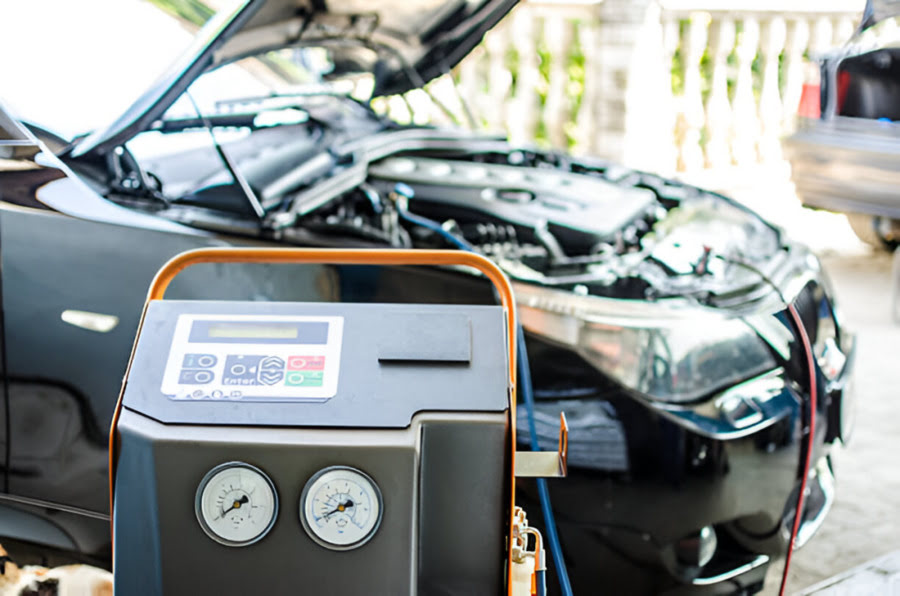
Consider the comprehensive nature of modern auto repair. It’s not just about fixing what’s broken; it’s about preventative care, expert evaluation, and the application of specialized knowledge. For instance, addressing issues with your vehicle’s air conditioning system requires a thorough understanding of refrigerants, compressors, condensers, and evaporators. Whether it’s a simple recharge or a more complex component replacement, a skilled technician ensures the job is done right, preventing future complications. This level of meticulous service is what truly contributes to a vehicle’s extended lifespan, keeping it running smoothly and reliably for years to come. For those in the wider North Texas area, finding a trusted shop for car AC service is paramount, and understanding the scope of services offered, such as those for a Plano auto AC repair, can help you make informed decisions about your vehicle’s care.
Essential Auto Repair Services for Daily Commuters
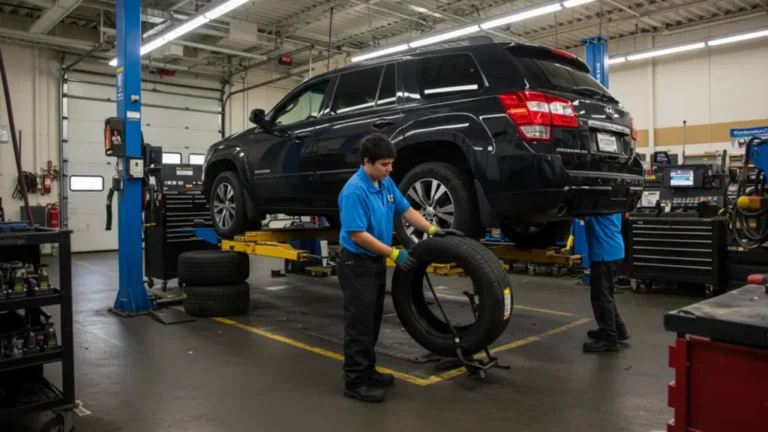
For anyone who relies on their vehicle for daily commuting, certain auto repair services are absolutely essential to ensure safety, reliability, and efficiency. These services address the components that experience the most wear and tear and are critical for a smooth driving experience.
- Engine Diagnostics: The “check engine” light is a common sight that can induce anxiety, but it’s also a vital indicator that your car’s onboard diagnostic (OBD-II) system has detected an issue. Professional engine diagnostics involve using specialized scanning tools to retrieve trouble codes, which then guide technicians to the root cause of the problem. This could range from a faulty oxygen sensor affecting fuel efficiency to more serious engine malfunctions. Timely diagnosis prevents minor issues from becoming major, costly repairs, ensuring your engine performs optimally and maintains its fuel economy.
- Brake Systems: Your vehicle’s brakes are its most critical safety feature. Regular inspection and maintenance of the brake system are non-negotiable. This includes checking brake pads, rotors, calipers, brake lines, and brake fluid. Signs like squealing, grinding, a spongy brake pedal, or a vibrating steering wheel during braking all indicate a need for immediate attention. Professional brake service ensures that your stopping power is reliable, protecting you and others on the road.
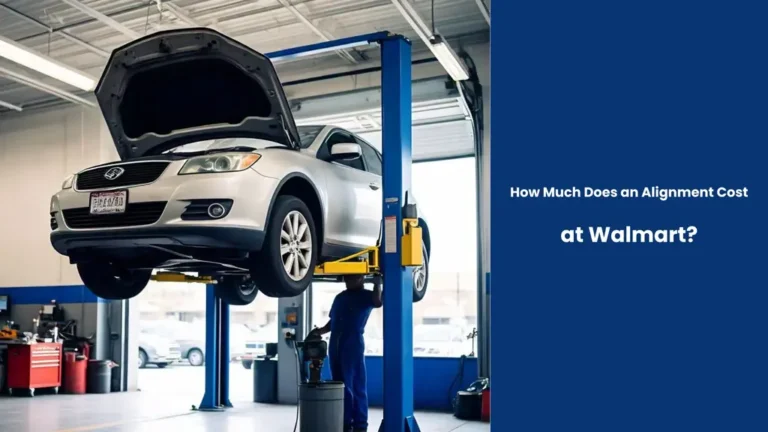
- Steering Alignment: Proper wheel alignment is crucial for safe handling, even tire wear, and a comfortable ride. Misalignment can be caused by everyday driving, hitting potholes, or minor accidents. Symptoms include your vehicle pulling to one side, uneven tire wear, or a crooked steering wheel when driving straight. A professional alignment service adjusts the angles of your wheels to the manufacturer’s specifications, improving vehicle control and extending tire life.
- Electrical Troubleshooting: Modern vehicles are essentially computers on wheels, with complex electrical systems controlling everything from the engine and transmission to power windows and infotainment. When electrical issues arise – whether it’s a dead battery, malfunctioning lights, or problems with sensors – specialized electrical troubleshooting is required. Technicians use diagnostic tools to trace circuits, test components, and repair wiring, ensuring all electrical systems function correctly and reliably.
Why Certified Auto Repair Surpasses DIY Fixes
While the internet abounds with DIY tutorials for car maintenance, there are compelling reasons why certified auto repair consistently surpasses the do-it-yourself approach, especially for complex issues. Professional shops offer a level of expertise, equipment, and accountability that is difficult for the average car owner to replicate.
- Specialized Tools: Modern vehicles are incredibly complex, and many repairs require highly specialized tools that are expensive and impractical for a home garage. From advanced diagnostic scanners that communicate with your car’s computer to specific wrenches, presses, and calibration equipment, professional technicians have access to the right tools for every job. Attempting a repair without the correct tools can lead to further damage, making the problem worse and more costly to fix.
- Precision Calibration: Many vehicle systems, particularly those related to safety and performance, require precise calibration after repair or component replacement. This includes wheel alignments, sensor calibrations, and even engine timing. Professional shops use sophisticated machinery and software to perform these calibrations to exact manufacturer specifications. Without this precision, a repair might seem complete but could compromise your vehicle’s handling, fuel efficiency, or safety systems.
- Safety Protocols: Auto repair involves working with heavy machinery, hazardous fluids, and potentially dangerous electrical systems. Certified technicians are trained in strict safety protocols to protect themselves and your vehicle. They understand how to safely lift a car, handle refrigerants, dispose of waste products, and work with high-voltage electrical components in hybrid and electric vehicles. DIY attempts without proper safety knowledge can lead to serious injury or damage to the vehicle.
- Warranty Protection: One of the most significant advantages of professional auto repair is the warranty that typically accompanies the service. Reputable shops stand behind their work, offering guarantees like 3-year/36,000-mile warranties on parts and labor. This provides invaluable peace of mind, knowing that if an issue reoccurs or a part fails within the warranty period, it will be addressed at no additional cost. DIY repairs, by contrast, offer no such protection, and if something goes wrong, you’re entirely responsible for the consequences and further expenses.
Recognizing Early Warning Signs of Vehicle Wear
Being attuned to your vehicle’s behavior is the first step in proactive maintenance. Your car often communicates problems through subtle, or not-so-subtle, cues before a catastrophic failure occurs. Recognizing these early warning signs can save you from more extensive repairs, reduce safety risks, and ensure your vehicle remains reliable.
- Dashboard Warning Lights: These illuminated symbols are your car’s primary way of telling you something is amiss. Lights like the “check engine” (which can signal anything from a loose gas cap to a serious engine problem), “ABS” (anti-lock braking system), “tire pressure monitoring system” (TPMS), or “battery” light should never be ignored. While some might seem minor, they often indicate underlying issues that require professional diagnosis.
- Unusual Vibrations: Any new or excessive vibration while driving warrants attention. Vibrations can manifest in the steering wheel, the floorboards, or even the entire vehicle. They might occur at certain speeds, during braking, or when turning. Potential causes range from unbalanced tires or misaligned wheels to worn suspension components, failing universal joints, or even engine issues. Ignoring persistent vibrations can lead to accelerated wear on other parts and compromise handling.
- Fluid Leaks: Puddles or drips under your parked car are clear indicators of a fluid leak. Identifying the color and consistency of the fluid can help narrow down the source:
- Red/Pink: Transmission fluid or power steering fluid.
- Green/Orange/Yellow: Engine coolant.
- Dark Brown/Black: Engine oil.
- Clear/Light Brown: Brake fluid (often slippery).
- Clear Water: Usually condensation from the AC system, which is normal. However, any colored fluid leak should prompt an inspection, as it could indicate a failing seal, hose, or component that needs immediate repair.
- Braking Responsiveness: Changes in how your brakes feel or sound are critical safety warnings. If your brake pedal feels spongy, requires more pressure than usual, or sinks too far to the floor, it could indicate air in the brake lines, a fluid leak, or a master cylinder problem. Grinding, squealing, or clicking noises during braking often point to worn brake pads or rotors. Any reduction in stopping power or unusual behavior during braking demands immediate professional attention.
How Postponing Auto Repair Leads to Major Failures
Delaying necessary auto repairs is a common mistake that almost always leads to more significant problems and higher costs down the line. What might start as a minor, manageable issue can quickly cascade into a complex and expensive system failure.
- Component Strain: When one part of your vehicle isn’t functioning correctly, it often puts undue stress and strain on other interconnected components. For example, a worn-out suspension component can accelerate the wear on tires, wheel bearings, and even steering components. A failing water pump can lead to engine overheating, which can damage gaskets, cylinder heads, and other critical engine parts. This domino effect means that neglecting a small issue forces other parts to overcompensate, shortening their lifespan.
- Safety Hazards: Many seemingly minor issues can pose significant safety risks if left unaddressed. Worn brake pads eventually lead to metal-on-metal contact, drastically reducing stopping power. A faulty steering component can compromise your ability to control the vehicle, especially at high speeds or in emergency maneuvers. Even a malfunctioning headlight or taillight reduces visibility and increases the risk of accidents. Prioritizing timely repairs is paramount for your safety and the safety of others on the road.
- Secondary Damage: Postponing a repair often results in secondary damage, where the initial problem causes harm to other, unrelated systems. A small oil leak, if ignored, can eventually lead to low oil pressure, causing severe internal engine damage. A cracked radiator hose that causes the engine to overheat can warp the engine block or blow a head gasket, turning a simple hose replacement into a major engine overhaul. These secondary damages are typically far more expensive and time-consuming to fix than the original problem.
- System Failure: Ignoring warning signs can lead to a complete system failure, leaving you stranded and facing emergency repair costs. A car that won’t start due to a neglected electrical issue, an engine that seizes from lack of lubrication, or a transmission that fails because of ignored warning signs are all scenarios that could have been prevented with timely intervention. The inconvenience, stress, and expense of a complete breakdown far outweigh the cost of proactive repair.
Maximizing Efficiency Through Climate Control and Cooling Maintenance
In the intense Texas climate, a fully functional climate control system is not merely a luxury; it’s a critical component for comfort, safety, and even the overall health of your vehicle. Maximizing the efficiency of your car’s AC and engine cooling systems is key to enduring the extreme heat, and it starts with diligent maintenance.
Ensuring optimal cabin comfort is the most immediate benefit of a well-maintained AC system. There’s nothing worse than stepping into a sweltering car on a 95+ degree day only to find your AC blowing warm air. Beyond comfort, the AC system plays a role in defogging windows, which is crucial for visibility during humid conditions.
A common culprit behind poor AC performance is refrigerant leaks. Even in a seemingly sealed system, refrigerant can slowly escape over time or through small cracks in hoses, O-rings, or seals. Professional technicians use specialized equipment to detect these leaks, which is a vital step before simply recharging the system. A recharge without addressing the leak is only a temporary fix.
The compressor is the heart of your AC system, responsible for circulating the refrigerant. Its health is paramount for effective cooling. Signs of a failing compressor include unusual noises when the AC is on, or the system simply not blowing cold air. Regular inspections can identify early signs of wear, preventing a complete breakdown.
Consistent maintenance ensures system efficiency. This means your AC cools faster, uses less energy (which can impact fuel economy), and experiences less strain on its components, leading to a longer operational life. A well-maintained system also helps prevent the growth of mold and mildew, which can cause unpleasant odors and affect cabin air quality.
The Impact of Extreme Weather on Engine Cooling
The scorching Texas summers place immense stress on a vehicle’s engine cooling system. When ambient temperatures soar, the engine has to work much harder to dissipate heat, making robust cooling system maintenance absolutely critical to prevent overheating.
Overheating prevention is the primary concern. An overheated engine can lead to severe and expensive damage, including warped cylinder heads, blown head gaskets, and even complete engine failure. The cooling system, comprising the radiator, water pump, thermostat, hoses, and coolant, works tirelessly to maintain the engine at its optimal operating temperature.
Regular coolant flushes are essential. Over time, coolant degrades, losing its anti-corrosive properties and becoming less effective at transferring heat. Flushing the system and refilling it with fresh, manufacturer-recommended coolant ensures maximum heat absorption and dissipation, protecting internal engine components from corrosion and extreme temperatures.
Radiator performance is also vital. The radiator is responsible for releasing heat from the coolant into the air. A clogged or damaged radiator cannot efficiently cool the engine. Inspections should check for bent fins, leaks, and internal blockages. Similarly, the radiator fan must be in good working order to pull air through the radiator when the vehicle is stationary or moving slowly.
Finally, belt inspections are a simple yet crucial part of cooling system maintenance. The serpentine belt drives the water pump, which circulates coolant, and often also drives the AC compressor. A worn, cracked, or loose belt can slip or break, leading to a sudden loss of cooling and AC function. Ensuring these belts are in good condition and properly tensioned is a small step that prevents big problems.
Signs Your Vehicle Climate Control System Needs Service
Your vehicle’s climate control system often provides clear indicators when it needs attention. Being aware of these signs can help you address issues promptly, ensuring your comfort and preventing more extensive repairs.
- Weak Airflow: If your AC or heating system is blowing air weakly, even when the fan is set to high, it could indicate several problems. A common cause is a clogged cabin air filter, which restricts airflow into the cabin. Other potential issues include a failing blower motor, blockages in the ventilation ducts, or issues with the fan speed resistor. Reduced airflow not only diminishes comfort but can also strain the blower motor.
- Warm Air Blowing: This is perhaps the most obvious sign that your AC system is malfunctioning. If you turn on the AC and only warm or lukewarm air comes out, it almost certainly points to a problem. The most frequent cause is low refrigerant levels, often due to a leak. However, it could also signal a failing compressor, a clogged condenser, a faulty expansion valve, or an electrical issue preventing the system from engaging. A professional diagnostic is needed to pinpoint the exact cause.
- Unusual Noises: Any new or strange sounds coming from your AC system should be investigated. A grinding or rattling noise when the AC is on might indicate a failing compressor clutch or internal compressor damage. A hissing sound could signal a refrigerant leak, while a continuous clicking might point to issues with the blend door actuator. These noises are often early warnings of components that are about to fail.
- Unpleasant Cabin Odors: If you notice a musty, moldy, or otherwise unpleasant smell when you turn on your AC, it’s often due to the growth of mold or mildew within the evaporator core or ventilation system. This can happen when moisture accumulates and doesn’t properly dry out. While an air freshener might mask the smell temporarily, a professional cleaning service and possibly a cabin air filter replacement are usually needed to eliminate the source of the odor and improve cabin air quality. A sweet, syrupy smell could indicate a coolant leak from the heater core.
Frequently Asked Questions about Auto Repair
We often receive questions from drivers concerned about their vehicle’s health and maintenance. Here are some of the most common inquiries regarding auto repair, especially pertinent for those navigating the Texas climate.
How often should my vehicle undergo a comprehensive inspection?
We generally recommend that your vehicle undergo a comprehensive inspection at least once a year, or every 12,000 to 15,000 miles, whichever comes first. This annual check-up goes beyond routine oil changes and tire rotations, delving into the health of critical systems like brakes, suspension, steering, exhaust, and all fluid levels. For vehicles operating in harsh conditions, such as the extreme heat of Frisco, TX summers, or those with high mileage, more frequent inspections might be beneficial. Regular inspections allow technicians to identify potential issues early, often preventing them from escalating into costly repairs and ensuring your vehicle’s safety and reliability.
What is the difference between minor maintenance and major auto repair?
The distinction between minor maintenance and major auto repair often lies in the complexity, time, and cost involved, as well as the immediate impact on vehicle operation.
- Minor Maintenance typically includes routine services designed to prevent problems and ensure optimal performance. Examples include oil changes, tire rotations, fluid checks and top-offs, air filter replacements (engine and cabin), belt inspections, and battery checks. These services are usually quick, relatively inexpensive, and are part of your vehicle’s scheduled service intervals. They are proactive measures to keep your car running smoothly.
- Major Auto Repair, on the other hand, involves addressing significant issues, replacing critical components, or diagnosing complex problems that affect the vehicle’s safety, drivability, or major systems. This can include engine overhauls, transmission replacements, extensive brake system repairs (like master cylinder replacement), significant suspension work, or comprehensive electrical troubleshooting. These repairs are often reactive, stemming from a breakdown or a major component failure, and typically require more time, specialized tools, and a higher financial investment. While minor maintenance is about prevention, major repair is about restoration.
Why is maintaining the vehicle cooling system critical during summer?
Maintaining your vehicle’s cooling system is absolutely critical during the summer, especially in regions like Frisco, TX, where temperatures frequently soar above 95°F. The primary reason is to prevent your engine from overheating. When the ambient temperature is high, your engine’s cooling system has to work much harder to dissipate the heat generated by combustion.
An inefficient cooling system in extreme heat can lead to:
- Engine Overheating: This is the most immediate and severe risk. Overheating can cause serious damage, such as warped cylinder heads, blown head gaskets, cracked engine blocks, and damage to pistons or bearings. These repairs are extremely expensive and can even lead to the need for a complete engine replacement.
- Reduced Performance: An engine that is struggling to stay cool will not perform optimally. You might notice a loss of power or reduced fuel efficiency.
- Breakdown Risk: An overheated engine can leave you stranded on the side of the road, which is not only inconvenient but can also be dangerous in hot weather.
- Strain on Other Systems: The cooling system’s health also impacts other components. For example, the AC system relies on the engine’s cooling to function efficiently. If the engine is running too hot, it puts additional strain on the AC, potentially leading to its premature failure.
Regular cooling system maintenance, including coolant flushes, inspection of hoses, belts, radiator, and water pump, ensures that your vehicle can effectively manage the intense heat, protecting your engine and maintaining your comfort.
Conclusión
Ensuring your vehicle’s reliability, especially in challenging climates like ours, hinges on a commitment to proactive maintenance and professional diagnostics. From the essential services that keep daily commuters safe to the specialized care required for intricate climate control systems, understanding your vehicle’s needs is paramount. By recognizing early warning signs and addressing them promptly, you can prevent minor issues from escalating into major, costly failures.

Investing in professional auto repair is an investment in long-term vehicle reliability. It provides the peace of mind that comes from knowing your car is in expert hands, equipped with the right tools and knowledge to keep it performing optimally. Regular, expert care ensures not only your comfort but also your safety and the longevity of your valuable asset, keeping you confidently on the road for years to come.