How to Spot Early Signs of Audi Repair Issues Before They Escalate

Pay attention to warning signs like unusual engine noises, dashboard warning lights, fluid leaks, rough shifting, or changes in braking performance. Small issues such as delayed starts, vibrations, or reduced fuel efficiency can point to larger mechanical or electrical problems if ignored.
In Las Vegas, which is located in southern Nevada, these issues can become worse because of the city’s extreme desert heat, busy highways, and heavy year-round traffic from tourism and commuting. Located in the Mojave Desert, Las Vegas is known for attractions like the Las Vegas Strip, Red Rock Canyon National Conservation Area, and Hoover Dam, all of which contribute to long drives and demanding road conditions that can put extra strain on a vehicle.
Regular inspections and early maintenance can help prevent costly repairs and keep your Audi running safely. Drivers frequently seek Audi repair in Las Vegas services when warning signs begin affecting vehicle handling or engine performance.
This article helps you identify small mechanical issues early that may help you reduce repair costs and prevent larger system failures over time.
Dashboard Warning Lights
Dashboard warning lights are among the earliest indicators that an Audi may require professional inspection or repair services. Engine lights, oil pressure warnings, battery alerts, and brake indicators often signal developing mechanical or electrical problems. Ignoring these warnings may increase repair costs significantly.
Modern Audi vehicles use onboard diagnostic systems designed to monitor two things:
- Engine performance.
- Vehicle safety.
Sensors may detect emissions issues, transmission problems, or engine irregularities before major failures occur. Early diagnostic testing may therefore help prevent extensive damage.
Unusual Engine Sounds
Unusual engine noises may indicate developing repair issues requiring immediate attention from qualified technicians. Knocking, grinding, rattling, or ticking sounds often suggest problems involving belts, lubrication systems, or internal engine components. Delaying repairs may allow mechanical damage to worsen.
Audi engines are designed for smooth and quiet performance under normal driving conditions. Changes in engine sound may therefore signal overheating, fuel system problems, or internal wear developing gradually. Professional inspections may help identify the source before failures escalate.
Fluid Leaks and Burning Smells

Fluid leaks underneath an Audi may indicate problems involving engine oil, coolant systems, brake fluid, or transmission components. Even small leaks may worsen over time and affect braking ability or engine performance significantly. Immediate inspection is usually recommended when leaks appear.
Burning odors inside or outside the vehicle may also signal overheating systems, electrical issues, or fluid contamination concerns. High temperatures in Las Vegas may increase overheating risks during daily driving conditions. Addressing unusual smells early may help prevent larger failures.
Brake and Steering Problems
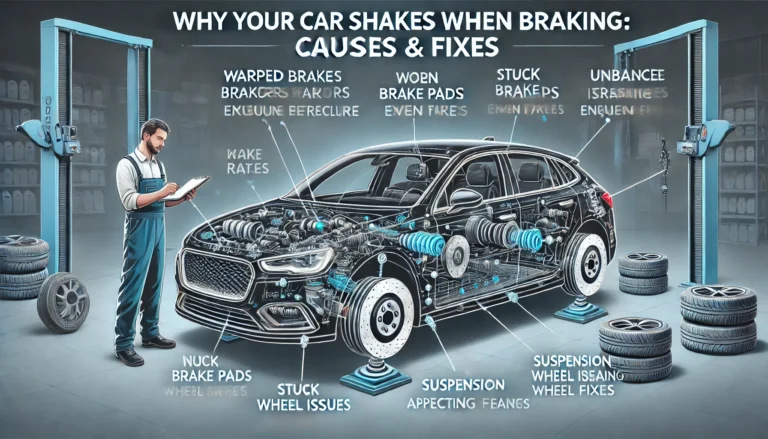
Changes in steering response or braking performance often indicate repair issues affecting vehicle safety and handling. Vibrations, squeaking sounds, delayed braking response, or steering resistance may signal worn components or hydraulic system concerns. Prompt maintenance may, therefore, improve driving safety.
Under Federal Motor Vehicle Safety Standards (FMVSS), braking systems and vehicle safety equipment must meet federal performance requirements. Proper brake maintenance remains especially important in heavy traffic and high-temperature driving environments. Routine inspections may help reduce accident risks significantly.
Reduced Fuel Efficiency
Unexpected decreases in fuel efficiency may indicate sensor malfunctions, engine problems, or fuel system issues developing gradually. Drivers may also notice rough idling, reduced acceleration, or inconsistent transmission shifting during normal vehicle operation. Performance changes often suggest underlying mechanical concerns.
Audi vehicles rely heavily on computerized systems managing ignition timing, fuel delivery, and emissions control functions. Minor electrical or sensor issues may therefore affect overall driving performance noticeably. Early repairs may help maintain efficiency and prevent larger component failures.
Key Takeaways
- Las Vegas driving conditions may increase wear on Audi vehicles.
- Audi repair in Las Vegas often addresses engine, brake, and electrical concerns.
- Dashboard warning lights may indicate developing mechanical problems.
- Fluid leaks and burning smells should be inspected quickly.
- Brake and steering issues may affect driving safety significantly.
- Routine maintenance may help prevent expensive repair issues.