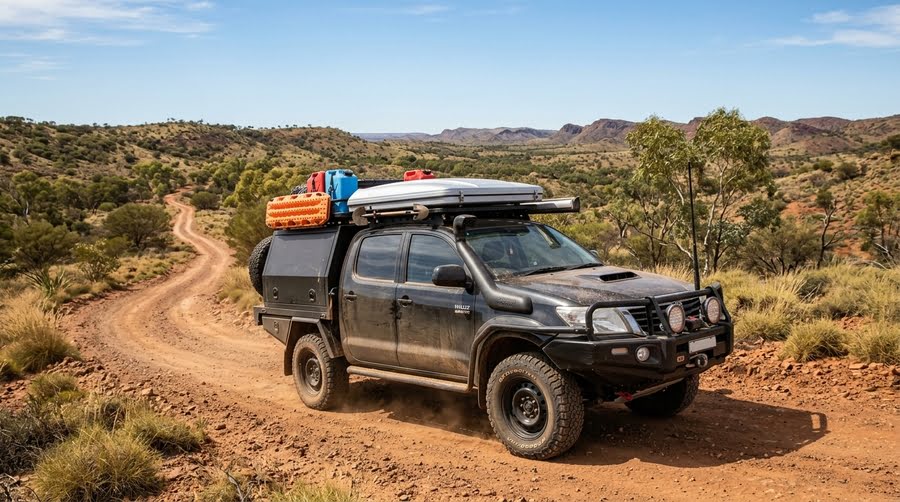
Essential Ute Upgrades for Remote Australian Road Trips

Exploring the Australian outback is a dream for many drivers, offering vast landscapes and unparalleled adventure. It is no surprise that rugged utility vehicles are the go-to choice for these journeys across the massive expanses of Western Australia, the Northern Territory, and Queensland. In 2024, the Toyota HiLux recorded over 61,000 annual deliveries across the country. It remains a firm favourite, with over 12,500 everyday private buyers choosing the model in 2025 alone. However, tackling remote roads requires far more preparation than a standard daily commute. The risk of being killed in a road crash is 11 times higher in remote or very remote Australian regions compared to major cities, carrying a national fatality rate of 20.3 per 100,000 people. Vast distances mean help is rarely just around the corner.
To survive corrugated dirt tracks and harsh climates, sourcing model-specific, heavy-duty gear is vital. Finding the right accessories for Toyota Hilux ensures your vehicle can handle the extreme physical stress of off-grid travel without compromising its reliability. From frontal protection to load management, proper modifications can be the difference between a successful trip and a dangerous breakdown.
Frontal Protection and Wildlife Hazards
Wildlife collisions present a massive risk for regional travellers, particularly during dawn and dusk when native animals are most active. According to 2025 claims data, there were over 24,000 wildlife collision claims lodged across Australia. These incidents resulted in more than 4,500 vehicles being completely written off, with the average insurance claim exceeding $9,000. Kangaroos are responsible for more than 80 percent of these strikes, and regional hotspots like Margaret River in Western Australia and Dubbo in New South Wales are notoriously dangerous during the winter months.
Adding a bull bar is crucial for protecting your radiator, steering arms, and essential engine components. A recent survey revealed that 60 percent of Australians actively disable advanced driver assistance systems in their vehicles, making physical vehicle protection even more critical. However, compliance is absolutely non-negotiable. According to safety guidelines published by Transport Victoria, vehicles fitted with airbags must use bull bars that are certified to not interfere with critical airbag calibration, and any forward offset must not exceed 75 millimetres.
The Wildlife Information, Rescue and Education Service recently reported receiving over 20,000 car strike-related calls to their rescue office in a single financial year. Compounding the danger, one in five drivers would instinctively swerve to avoid an animal on the road. This reaction significantly increases the risk of a high-speed rollover or striking a tree, reinforcing why a sturdy bull bar is a safer alternative to erratic evasive manoeuvres on loose gravel.
Load Management and Suspension Upgrades
Loading up a vehicle with heavy camping gear, spare water tanks, fuel jerry cans, and heavy recovery equipment quickly adds a tremendous amount of weight. Remembering that water alone weighs a kilogram per litre, your payload limit can vanish surprisingly quickly. Exceeding your manufacturer-set Gross Vehicle Mass when fully loaded can void your insurance, strain your chassis, and attract massive roadside penalties. In Victoria, even a minor breach of vehicle load limits can result in a hefty $3,000 fine from transport authorities.
Upgrading your suspension is the safest way to manage this extra weight while maintaining a safe ride height. Opting for a certified GVM upgrade is highly recommended by most 4×4 experts. Upgrades completed prior to registration are certified federally as a Second Stage of Manufacture, which makes interstate resale completely seamless. In contrast, post-registration upgrades are approved strictly at the state level and may require costly re-engineering if the vehicle is eventually sold across state borders.
Tray Configurations and Canine Comfort
A well-organised tray is essential for keeping supplies secure, balanced, and accessible on the road. High-quality canopies provide exceptional weather resistance, creating a safe space for storing delicate tools, 12V fridge setups, electronics, and camping equipment away from insidious red dust and heavy tropical rain.
If you are planning to bring your pets along for the adventure, ensuring the tray space is ventilated and secure is absolutely critical. For practical advice on setting up this area, you can review dedicated guides on ute modifications for dogs to ensure your four-legged companions travel comfortably and safely on long stretches of highway. Proper tie-down points and insulated flooring are just a few factors to consider when travelling with pets.
Essential Communication and Recovery Gear
The Royal Flying Doctor Service emphasises that remote vehicle breakdowns can quickly become life-threatening. Proper preparation goes beyond bolting parts to your vehicle, meaning drivers must pack specific safety tools for the outback. If you get stranded, staying with your vehicle is the golden rule.
- UHF Radio or Satellite Phone: Cellular reception is completely non-existent on many outback routes, making radio communication essential for contacting passing road trains on Channel 40 or emergency services.
- First-Aid and Survival Kit: Always pack extra food and drinking water, along with a comprehensive medical kit containing snake bite bandages to treat injuries while waiting for assistance.
- Recovery Tracks and a Shovel: These are vital tools for self-recovery if your vehicle gets bogged in soft sand, coastal mud, or deep inland bulldust.
- Portable Air Compressor: Deflating your tyres improves traction on soft surfaces and reduces the risk of punctures, and a reliable compressor allows you to re-inflate them before returning to sealed bitumen roads.